Feeds:
Posts
Comments

Early in February this year I made another trip to Varirata NP. I did not see a lot of birds but it was the best day for butterflies I’ve had up there.
Danis danis apollonius web

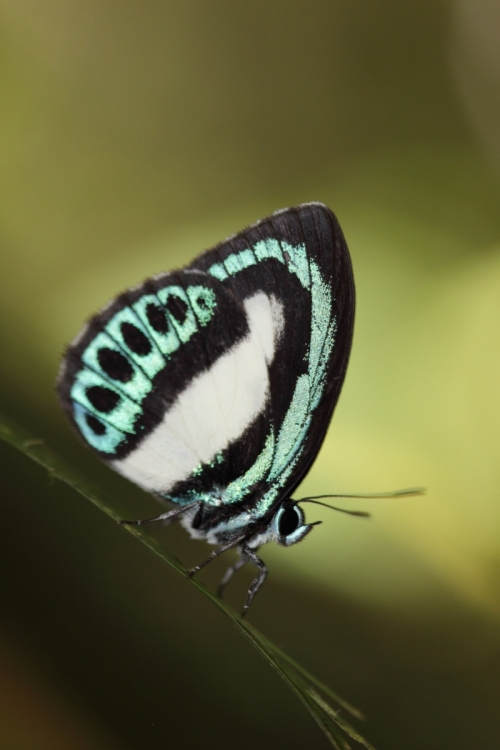
Large Green-banded Blue (Danis danis apollonius). This common butterfly is one of my favourites. It is also found in Australia.
Psychonotis caelius plotinus 2 web

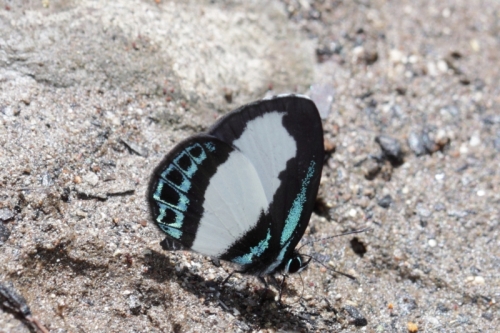
There are a number of very similar species, this is the smaller Small Green-banded Blue Psychonotis caelius plotinus.
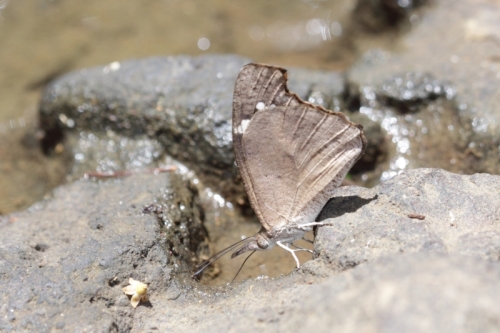
Libythea geoffroy maenia 1 web

Purple Beak (Libythea geoffroyi maenia).
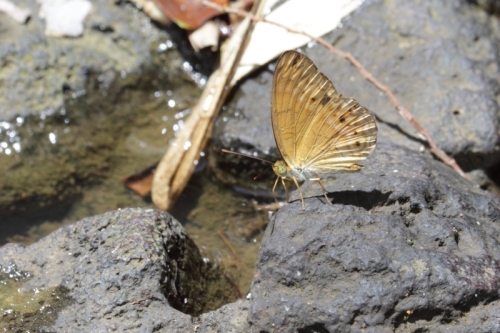
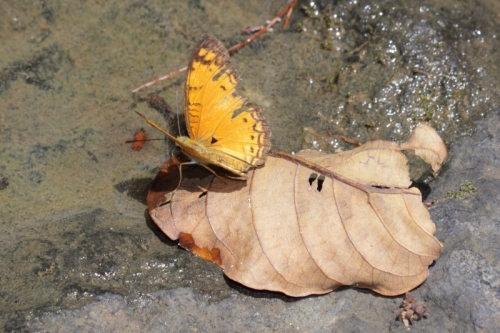
Phalanta alcippe cervina 1 web

Phalanta alcippe cervina 2 web

Under and upper sides of the Small Leopard Phalanta alcippe cervina.
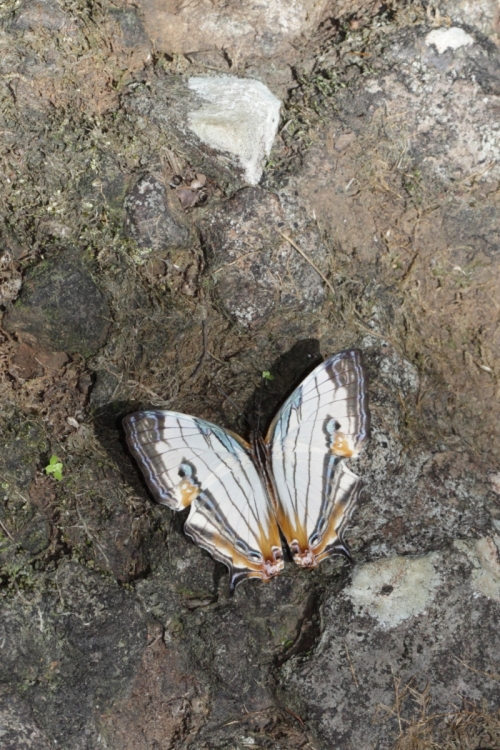
Cyrestis achates achates 1 web

Cyrestis achates achates is one of three species of map butterflies i found in Papua New Guinea.
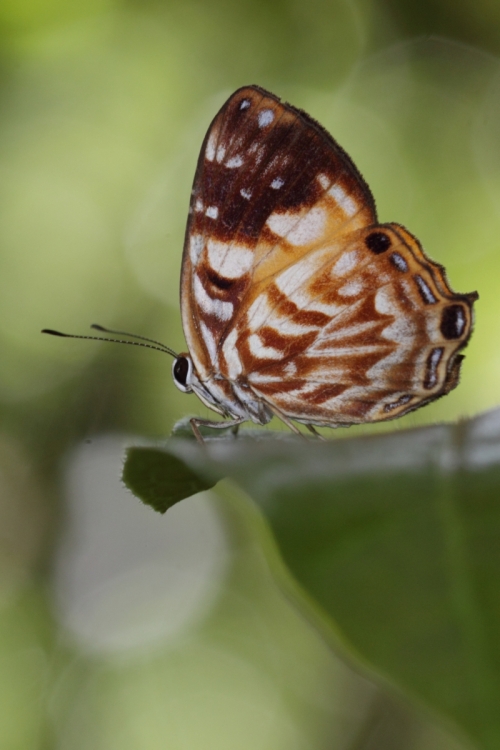
Dicallaneura decorata parina web

The Decorated Metalmark Dicallaneura decorata parina.
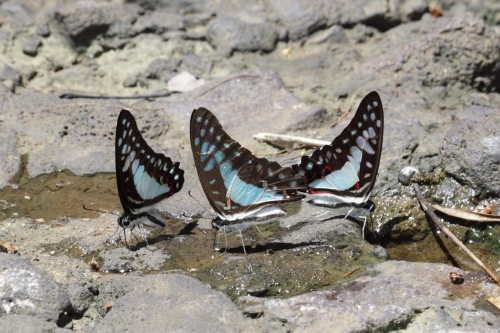
Graphium sarpedon choredon

Three Blue Triangle Butterflies Graphium sarpedon choredon.

Mycalesis phidon phidon web

Hewitson’s Bush Brown Mycalesis phidon.
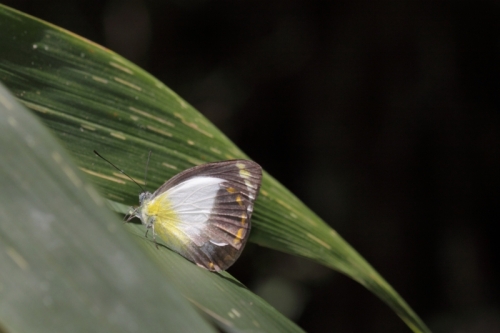
Delias ennia xelianthe web

Delias (The Jezebels) is the world’s largest butterfly genus with over 250 species. This is the Yellow-banded Jezebel Delias ennia xelianthe. The wide black borders on the hind-wing indicates this is a female.
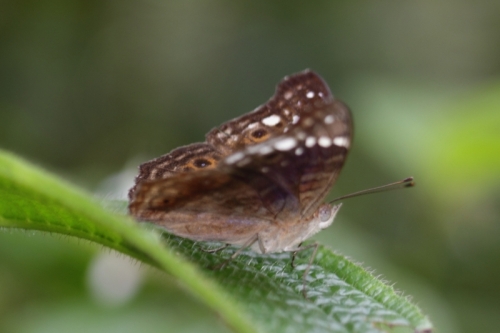
Junonia erigone leucophora web Northern Argus Junonia erigone.

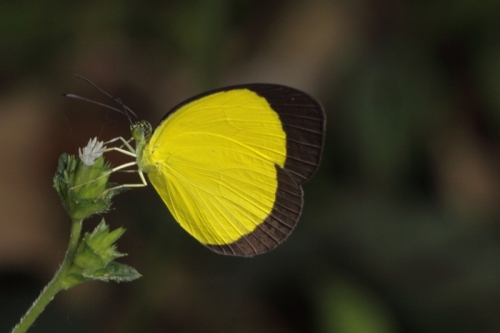
Eurema puella papuana web

Broad-margined Grass-yellow Eurema puella papuana.
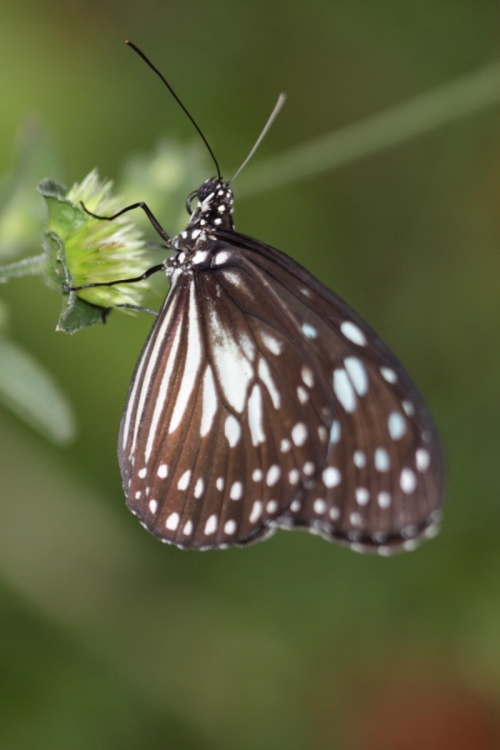
Ideopsis juventa web

Gray Glassy Tiger Ideopsis juventa turneri.
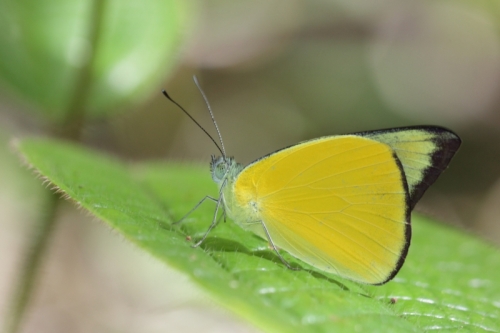
Saletara cycinna corinna webSaletara cycinna corinna.

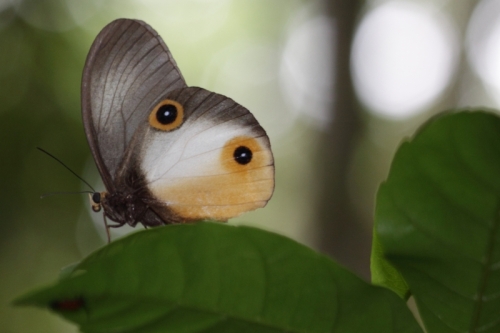
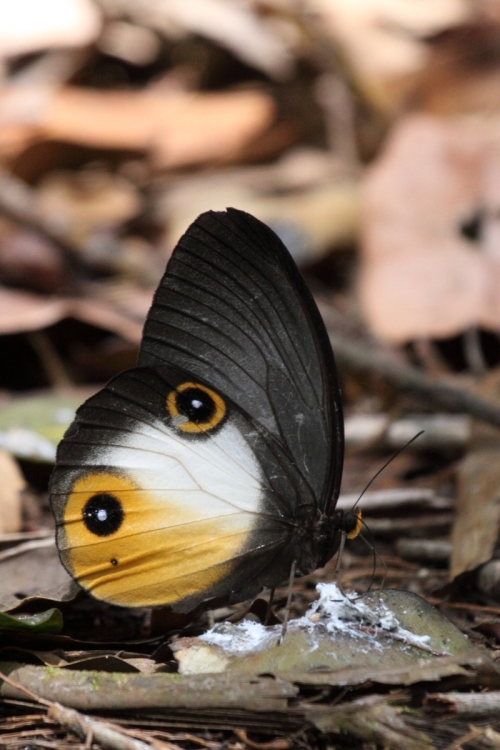
Taenaris onolaus saturiator web

There are several species of Owl Butterflies in Varirata. This is Taenaris onolaus saturiator.
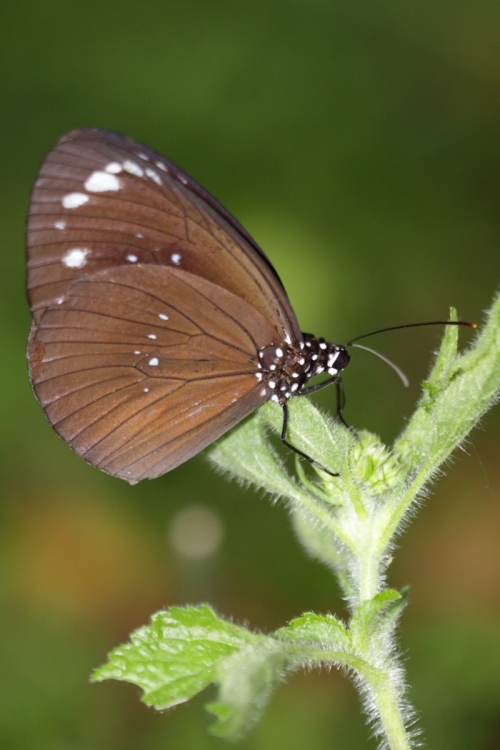
Euploea tulliolus web

I find the Crow Butterflies often difficult to separate. I think this is the Dwarf or Purple Crow Euploea tulliolus dudgeonis.
Avian Visitors

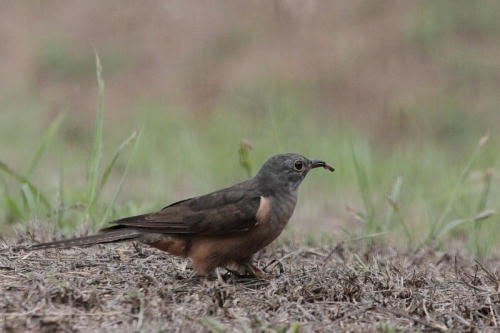
Every year Pacific Adventist University (PAU) is visited by various migrant bird species. Some are regulars – arriving every year; others are only occasional. January 2016 saw the arrival of 3 Little Ringed Plovers – a species I have not seen in my 5 years at PAU. February saw large numbers of Brush Cuckoos on campus – regular visitors who love to eat caterpillars and other insects.

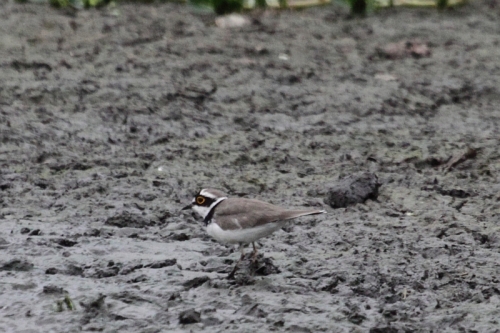
Little Ringed Plover web

Little Ringed Plover Charadrius dubius. I believe this is the migratory subspecies curonicus.

Brush Cuckoo 1 web

Brush Cuckoo Cacomantis variolosus

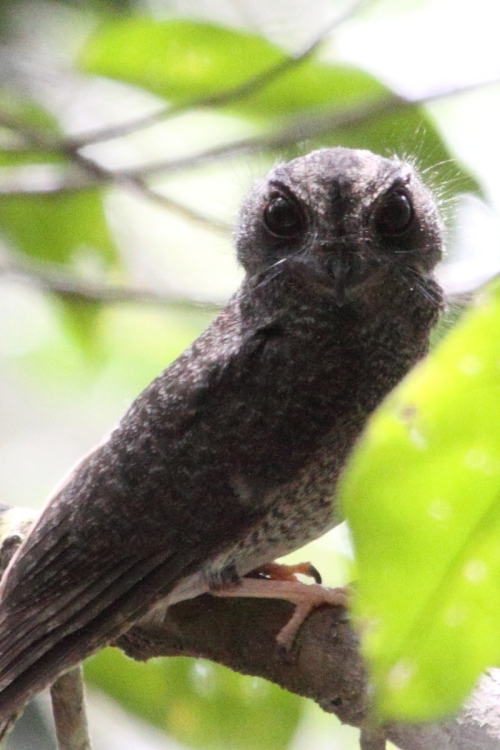
I made a trip with a visiting birder to Varirata NP. Our best sighting was a Barred Owlet-nightjar Aegotheles bennettii bennettii. Unusually this nocturnal bird was perched out in the open. We also saw a number of butterflies.

Owlet Nightjar web

Barred Owlet-nightjar Aegotheles bennettii bennettii

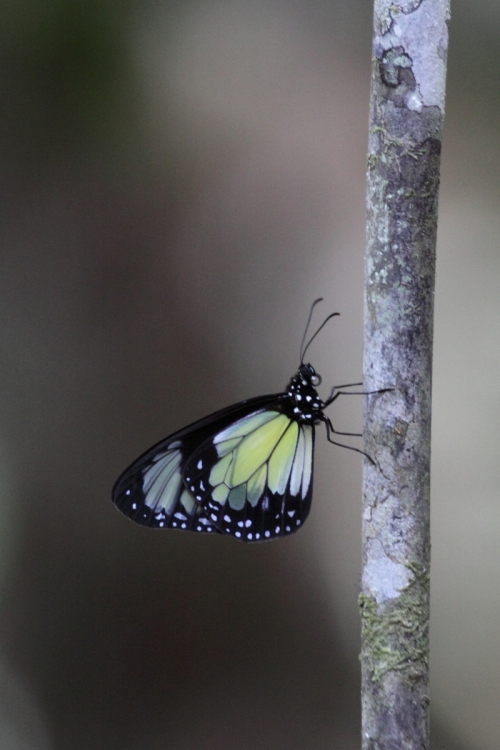
Parantica schenkii web

Parantica schenkii

Praetaxila albiplaga web

White-striped Metalmark Praetaxila albiplaga

Taenaris onolaus web

An Owl Butterfly Taenaris onolaus saturiator – getting minerals from bird-droppings.

Araminta and I made a trip to Varirata NP in May 2015. We saw some great birds – including another sighting of the Forest Bittern.

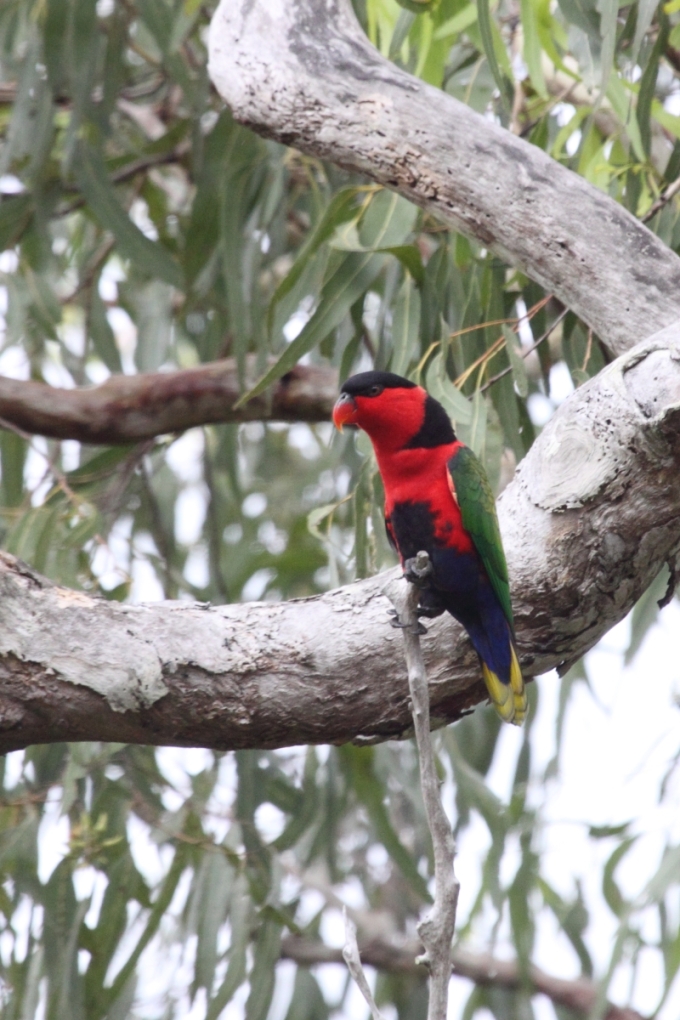
Black-capped Lory 2 web

Black-capped Lory Lorius lory erythrothorax

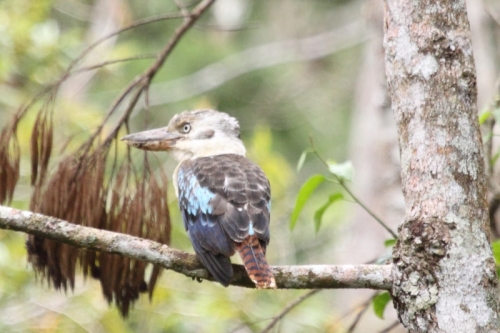
Blue-winged Kookaburra 1 web

Blue-winged Kookaburra Dacelo leachii

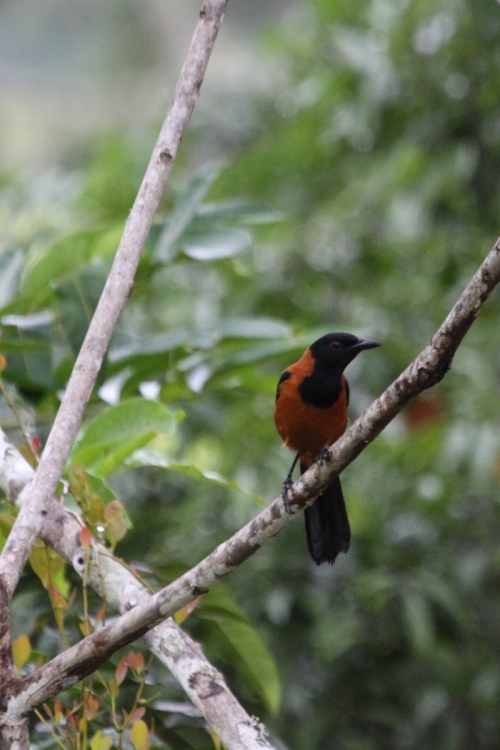
Hooded Pittohui web

Hooded Pitohui Pitohui dichrous

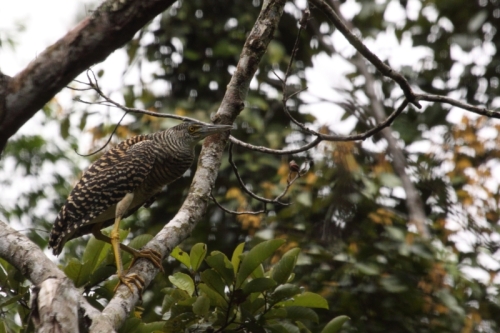
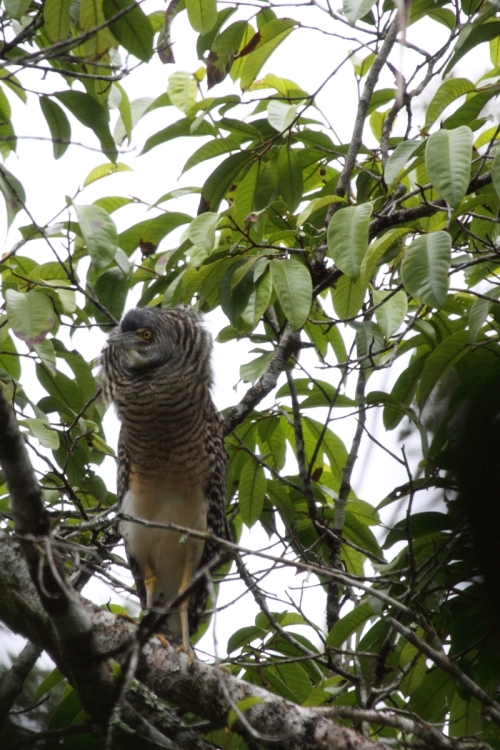
Forest Bittern 1 web

Forest Bittern 2 web

Forest Bittern Zonerodius heliosylus

Spangled Drongo web

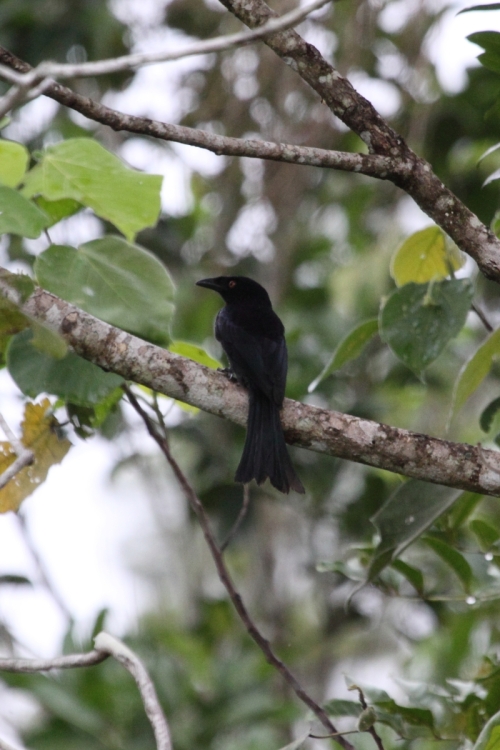
Spangled Drongo Dicrurus bracteatus carbonarius

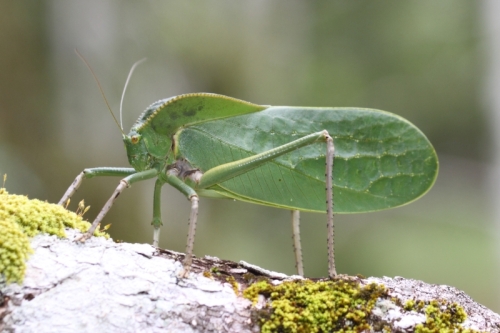
Katydid web An unidentified Katydid. It was huge – 15+cm in length.
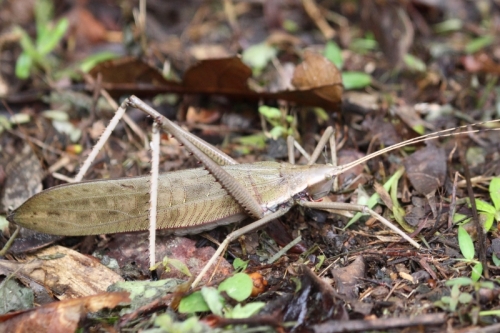
Grasshopper 1 web

A large unidentified grasshopper.

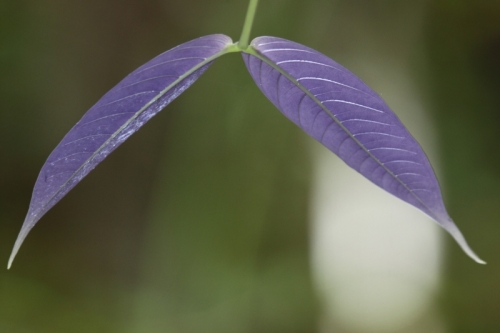
Leaves web

An unidentified tree with the most amazing purple colouration to its new growth.

A fortnight ago I took some friends to Varirata National Park. There were six of us and most were not really keen birders so its not surprising that we saw nothing new. I didn’t get any photos of birds but I did get a good picture of a new butterfly species: Lamprolenis nitida. It has no common name but the latin species name means “bright” or “shining” and refers to the metallic blue/green sheen present on the upperside of the wings – particularly in the male. Michael Parson’s Butterflies of New Guinea refers to this species as “rare, generally, but [it] may be occasional to common locally.” The larvae feed on Bambusa sp. (Bamboo). I did not have my Macro lens with me but used my Canon 1100-400mm and I think the shot worked well.

Lamprolenis nitida - web

Way back in December I took my daughter up to Varirata. Again this was not a serious birding etc trip & I didn’t even take my Canon with me. I did see a nice specimen of the Red Lacewing Cethosia cydippe damasippe and took a few pics with my phone – so please excuse the lack of quality!

20131215_082009


Recent Birds and Butterflies

Image


Recently Pacific Adventist University (PAU) (where I live and work) has had some uncommon visitors recently. Above is a photo of a Zoe Imperial Pigeon Ducula zoeae. This is a reasonably common species but as a forest canopy dwelling species, it is very rare at PAU – with only a few reports of its presence. A few months ago I was fortunate to observe one and to take the above photo.

We have also had an influx of uncommon ducks – back in August three Hardhead (White-eyed) Ducks Aythya australis arrived on one of our lakes. Their numbers have fluctuated since- 11 were present yesterday – a very uncommon sight. They were joined soon after by a pair of Grey Teal Anas gibberifrons which stayed for several days but have not been sighted since. Both species are much more common in Australia and are only rarely sighted at PAU.

A recent outing along the creek into the remnant forest on the PAU farm brought a few nice butterfly sightings:

Image

Palmfly Elymnias agondas

Image

Orange Plane Pantoporia consimilis

Image

Moonbeam Philiris sp.


Cairns Holiday #3

Anthus novaseelandiae

Australasian Pipit Anthus novaeseelandiae – near Cattana Wetlands.

Forest Kingfisher

Forest Kingfisher – Todiramphus macleayii near Cattana Wetlands.

Black-necked Stork

Black-necked Stork Epihippiorhynchus asiaticus at Cattana Wetlands. This is a male. The female has a bright yellow eye.

Jacana

Comb-crested Jacana – Irediparra gallinacea at Cattana Wetlands.

Nectarinia jugularis

Male Yellow-bellied Sunbird Nectarinia jugularis at Cattana Wetlands.

Crocodile

Possibly the most spectacular sighting at Cattana wetlands was not a bird but a large Esturine Crocodile Crocodylus porosus.

The Cairns Botanical Gardens is a wonderful location for birding and I enjoyed several outings there.

Bush Stone Curlew 1

Bush Stone Curlew 2

Bush Stone-curlews Burhinus grallarius. The bird immediately above is nesting.

Great Egret

Great Egret Ardea alba.

Welcome Swallow

Welcome Swallow Hirundo neoxena.

Leaden Flycatcher - male

Male Leaden Flycatcher Myiagra rubecula on Redden Island.

Yellow-spotted Honeyeater

Yellow-spotted Honeyeater Meliphaga notata in mangrove forest on Redden island.

Cairns Holiday 2013 #2

As well as enjoying the birds, I managed to find a few butterflies – despite it being winter & the fact that the weather was not very cooperative.

A sunny morning at Cattana Wetlands near Yorkey’s Knob where we were staying produced the following:

Image

The Common Oakblue Arhopala micale

Image

Yellow Palm Dart Cephrenes trichopepla

Image

Wide-brand Grass-dart Suniana sunias

Image

Common Grass Blue Zizina labradus

Image

Australian Rustic Cupha prosope

A walk along the Jack Barnes Bicentennial Mangrove Boardwalk produced nice views of a female Common Tit Hypolycaena phorbas

Hypolycaena phorbas

Cairns Holiday 2013 #1

I recently spent two weeks mid-year leave in Cairns, Australia. The last time I was there I was 15 and don’t really remember much. It was a family holiday but I was able to combine that with some birding etc.

One of the most enjoyable places we went was to the Cairns Esplanade which has been completely renovated to include a 600m boardwalk from which you can comfortably wader watch. The area is a is a key stopover site on the East Asian Australasian Flyway with some younger long range migrants over-wintering. I have not done a lot of wader-watching and basically nothing in Australia, so despite it being winter – the off-season for migrants – I was hoping to see some new birds. I was not disappointed:

Image

Black-fronted Dotterel Elseyornis melanops

Image

Red-capped Plover Charadrius ruficapillus

Image

Whimbrel Numenius phaeopus

Image

Great Knot Calidris tenuirostris

Image

Red-necked Stint Calidris ruficollis

Image

Grey-tailed Tattler Heteroscelis brevipes

Image

Bar-tailed Godwit Limosa lapponica

Image

Pacific Golden Plover Pluvialis fulva

As well as waders there are plenty of other birds present:

Image

Great egret Ardea alba

Image

Little Egret Egretta garzetta in breeding plumage

Image

Striated Heron Butorides striatus stagnatilis

Image

Masked Lapwing Vanellus miles miles

Image

Silver Gull Larus novaehollandiae Immature (left) Adult (right)

Image

Australia White Ibis Threskiornis molucca

Image

Sacred Kingfisher Todiramphus sanctus 

I made a number of visits and highly recommend visiting when you are in Cairns.

Yule Island Tree Frog

Recently my daughter and her friend found this little frog in the backyard. I think it is a Yule Island Tree Frog Litoria congenita. I’m relying on text and pics in James Menzies, Frogs of New Guinea and the Solomon Islands, Pensoft Press, 2006 for the ID. According to Menzies this frog is common in seasonally dry woodlands and suburban gardens in southern Papua New Guinea from sea level to 500m. It is quite a small frog (35-40mm) and is a beautiful  brown and gold in colour. The pattern is said to be quite variable  – with 1-3 dorsal stripes and a white ventrum. Males have a black pigmented throat so this should be a female. Yule Island is a small island off the southern coast of Papua New Guinea about 160km west of Port Moresby and that is where the first specimens were apparently collected. The species was described by Wilhelm Peters and Giacomo Doria in 1878. The paper is in Italian: “Catalogo dei rettili e dei batraci raccolti da O. Beccari, L.M. D’Albertis e A.A. Bruijn nella sotto-regione Austro-Malese” which seems to indicate that the first specimens were collected by either Odoardo Beccari, Luigi Maria d’Albertis, or Antonie Augustus Bruijn.

Frog 2 - web Frog 1 - web

Design a site like this with WordPress.com
Get started